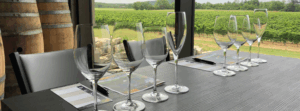
Wine tasting isn’t just about drinking; it’s an experience that engages all your senses. At Colaneri Estate Winery, we believe that every bottle tells a story, and appreciating the important components of wine tasting will help you fully appreciate each sip. Whether you’re new to wine or a seasoned enthusiast, these steps will enhance your tasting journey.
The Art of Wine Tasting
Wine tasting is so much more than simply sipping a glass of wine; it is an experience that engages all five senses. From the vibrant colours swirling in your glass to the subtle aromas rising with each swirl, every step offers clues about the wine’s story. Tasting is about slowing down and discovering the layers of flavour, texture and aroma that make each wine unique. Learning the art of tasting can deepen your appreciation and turn every glass into an enjoyable experience.
How to Taste Wine: The 5 Steps of Wine Tasting
1. See
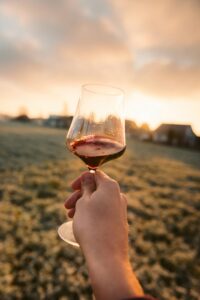 Before you even take a sip, your wine can tell you a lot through its colour. Hold your glass up against a white background and really look at it. Is the wine pale yellow or deep gold? Light ruby or dark garnet? These hues hint at the grape variety, the wine’s age and even how it was made. White wines tend to deepen in colour as they age, while red wines often grow lighter and take on a brick or tawny hue around the edges. Clarity also matters, and a clear, vibrant wine suggests a clean, well-made bottle.
2. Swirl
Next comes the swirl. This step might look dramatic, but it has a purpose: swirling introduces oxygen into the wine, helping it “open up” and release its aromas. Gently rotate your glass in small circles, either in the air or resting on a table. As the wine moves, you might notice droplets forming and sliding down the inside of the glass. This is often called “legs” or “tears.” While they aren’t necessarily an indicator of quality, they can suggest a higher alcohol or sugar content. Swirling sets the stage for the next and arguably most revealing step: the smell.
3. Smell
 Aromas help to define the characteristics of a wine. Bring the glass to your nose and inhale deeply. It’s important to take your time with this step. What do you notice first? Maybe fresh strawberries, lemon zest or apple. Smell the wine again. Do you sense something deeper, like vanilla, smoke or herbs? Wines express their character through different layers of aroma: the fresh fruit or floral notes that come from the grape itself; the toast, spice or creaminess that might come from oak aging or fermentation; and the earthy or nutty tones that often develop with time in bottle. There’s no need to name every note; notice what stands out to you and how it makes you feel. Memory and emotion often go hand-in-hand with wine.
Did you know that choosing the right wine glass can significantly enhance the scent of a wine? The shape and size of the glass affect how the wine interacts with air, how aromas are concentrated and how the wine is delivered to your palate. Read our blog, A Guide to Choosing the Right Wine Glass, to learn more about how you can enhance your wine tasting experience by choosing the right glass.
4. Sip
Finally, you get to taste the wine! Take a small sip and let the wine move across your palate. Take notice of the texture. Is it light and crisp or full and velvety? Pay attention to the balance between sweetness, alcohol, acidity and tannin. You might taste some of the same notes you smelled or something entirely new might appear. Some wines reveal themselves slowly, changing with each sip. Others burst with flavour right away. Professionals often draw in a little air through their lips while the wine is in their mouth to help volatilize the aromas. Don’t be afraid to try this because it really does help bring the flavours to life.
Tannin: Tannins are naturally occurring phenolic compounds present in many plants, including the skins, stems and seeds of grapes. In wine, they contribute to texture, balance and structure. While both red and white grapes contain tannins, their levels and characteristics can differ significantly.
5. Savour
After you swallow your first sip of wine, the experience isn’t over. The finish is how long the wine’s flavours linger, and this can tell you a lot. A long, balanced finish is often the sign of a thoughtfully made wine. Take a breath. What are you left with? Something bright and citrusy? Dark and earthy? Are you already imagining the perfect food pairing or the next bottle? Savouring wine is about reflecting on the moment. What did you enjoy? What surprised you? Wine doesn’t have to be complicated but should be experienced with intention.
At Colaneri Estate Winery, we have many engaging wine tasting experiences to choose from including our traditional Wine Tasting Experience, a Blind Tasting Experience and a Blending Tasting Experience. We also offer a private tasting experience for larger groups. We invite you to browse through our experiences and find one that resonates with you.